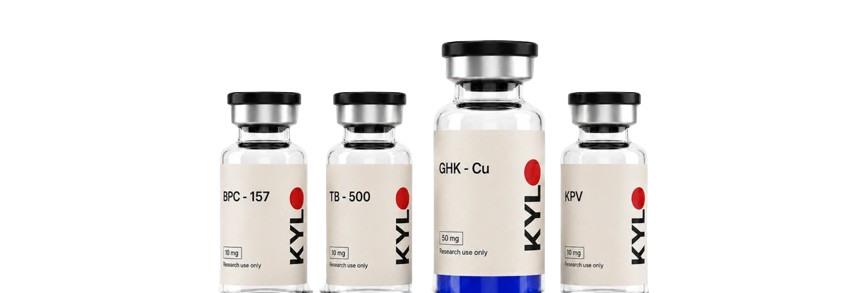
BPC-157, a synthetic peptide derived from a protein found in the stomach, has garnered attention for its purported healing properties. While it is not approved by regulatory bodies like the FDA for medical use, anecdotal evidence and preliminary research suggest potential benefits in tissue repair and inflammation reduction. However, before considering BPC-157 for healing claims, several factors must be taken into account to ensure informed decision-making.
Firstly, understanding what BPC-157 is and how it functions is crucial. It is believed to promote angiogenesis—the formation of new blood vessels—which can aid in wound healing. Additionally, some studies indicate that it may protect organs and accelerate the repair of tendons and ligaments. Despite these promising findings, most research has been conducted on animals or in vitro settings. Human trials are limited, making it difficult to draw definitive conclusions about its effectiveness or safety in humans.
One of the primary concerns with BPC-157 usage is its legal status and regulation. In many countries, including the United States, BPC-157 is classified as a research chemical rather than a pharmaceutical drug. This means https://musculoskeletalkey.com/bpc-157-peptide-benefits-dosage-side-effects-where-to-buy-in-2026/ it lacks approval from health authorities for therapeutic use due to insufficient clinical data supporting its efficacy and safety profile. Consequently, purchasing BPC-157 often occurs through unregulated online sources where product quality can vary significantly.
Safety considerations are paramount when exploring any supplement or treatment option. The absence of comprehensive human studies means potential side effects remain largely unknown for BPC-157 users outside controlled experimental environments. Some reported adverse reactions include nausea or dizziness; however without extensive human testing these reports cannot establish causation nor predict long-term impacts accurately.